A walk-through for each pest we treat, from the first look at the problem to proofing and follow-up.
These are plain walk-throughs of how a typical job of each kind goes, written by our team. They describe the approach, not a particular customer or address, and the pictures are illustrations. For a real quote, call 0113 347 0014 and we will arrange a free survey.

This is a general walk-through of how a standard domestic visit tends to go, not a record of one particular job.
The technician starts by listening. What was seen, where, at what time of day, and for how long? Then they walk the property, checking kitchens, bathrooms, airing cupboards, lofts, cellars and the outside walls. Pests leave evidence in predictable places, and a trained eye reads droppings, tracks, damage and nesting material quickly. Identification comes first, because treating the wrong species wastes time and money.
Once the cause is clear, the technician explains it in plain terms, sets out the treatment and says how many visits are likely. Any entry points are noted for repair or proofing. Follow-up is arranged where needed, and the household is told what to expect in the days afterwards, including what to leave alone and what to keep an eye on.
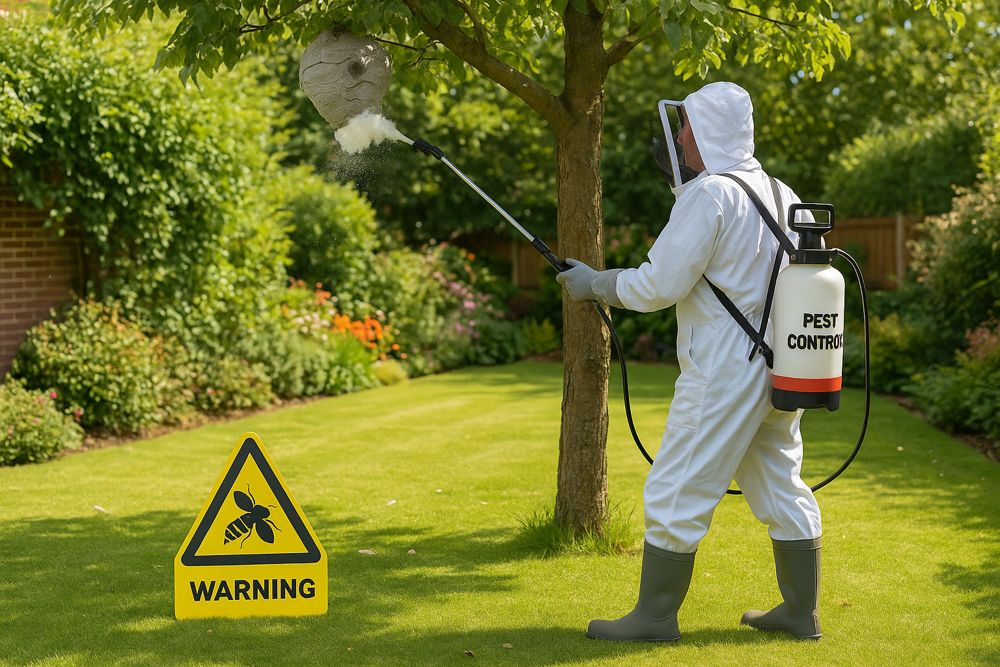
This is a general walk-through of how a nest treatment usually goes, not an account of one specific job.
The technician begins by finding the entrance. Wasps give it away: a steady flow of traffic to one gap is far more reliable than the position of the nest itself. They then check how the nest can be reached, whether in a loft, under a soffit or in a shed, and they put on suitable protective clothing before treating it. Nobody should rush this part.
The treatment is applied at the entrance or into the nest, and returning wasps carry it inside. Over the next day or two activity falls away as the colony dies. You may still see a few stragglers. The technician will explain what to expect, advise you not to seal the entrance straight away, and mention that the old nest can be left in place or removed once it is dry and inactive.
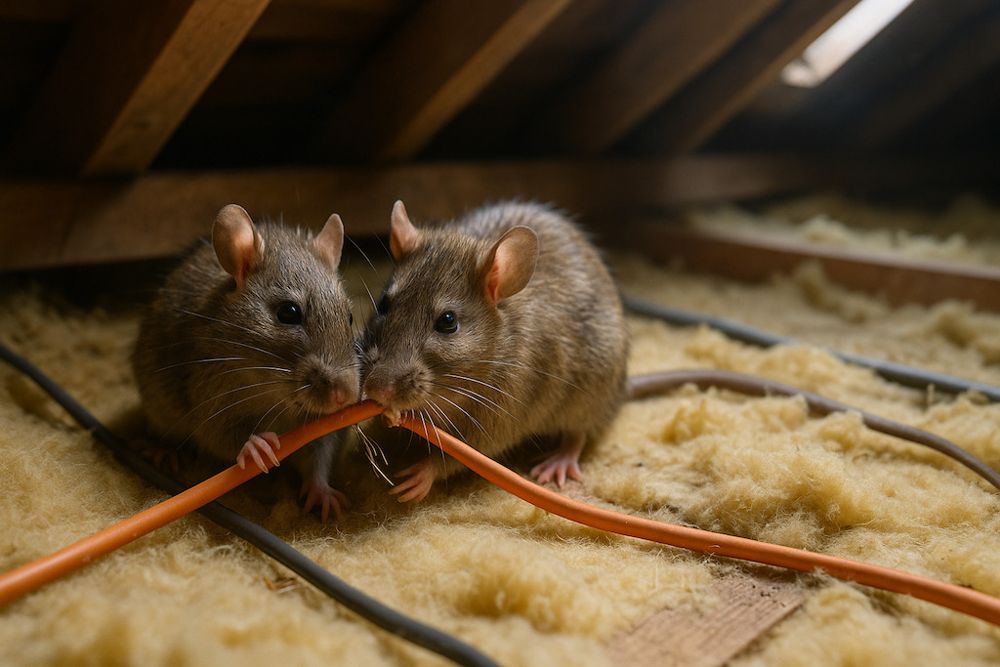
This is a general walk-through of how a rat job usually unfolds, not a description of a particular property.
The first visit is mostly detective work. The technician looks for runs along fences and walls, burrows under sheds and decking, gnawing on doors and pipes, and gaps around service entries. Inside, they check kitchens, under-floor voids and lofts. The aim is to understand where the rats are nesting, what they are feeding on and which route they use to get in and out.
Treatment follows from that. Bait stations or traps go in where the rats are travelling, and return visits check what has been taken and whether activity is falling. Alongside the treatment, the technician points out repairs that will help: filling gaps, fitting covers over drains where appropriate, tidying stored items and sorting food waste. Without those, the next rat is only a matter of time.
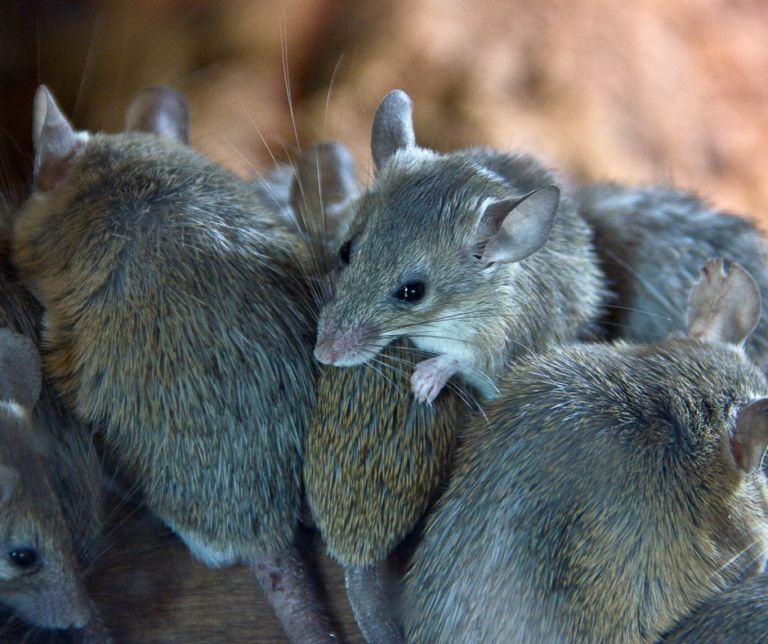
This is a general walk-through of how a mouse treatment tends to go, not a report on one particular property.
The technician looks first at where mice are likely to be getting in. That means checking around pipes entering the property, airbricks, door thresholds, gaps behind kitchen units and the edges of the loft. Droppings tell them where mice are travelling and feeding, and fresh gnawing shows where activity is current. The inspection usually takes in the garden and outbuildings as well.
Traps or bait are positioned along the walls and runs the mice use, because they rarely cross open floor. The technician explains where everything is and when to expect a return visit. At that visit, catches and bait take are reviewed and the plan adjusted. The last step is practical: sealing gaps, moving food into hard containers and clearing clutter that offers hiding places.
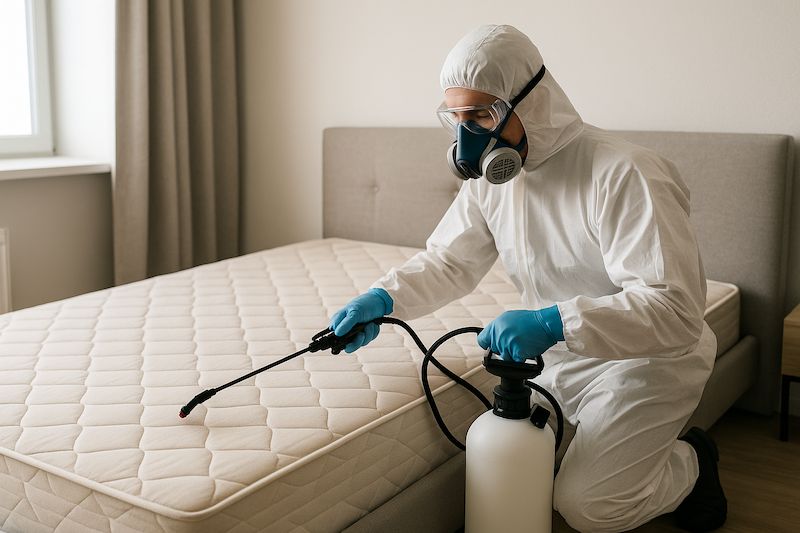
This is a general walk-through of how a bed bug job usually goes, not an account of one specific property.
The technician starts in the bedroom, inspecting the mattress seams, the bed base, the headboard and the furniture close by. They also check skirting boards, behind pictures and the edges of carpets, because bed bugs spread outwards from the bed. If the picture is unclear, they will look in neighbouring rooms. Confirming the species matters, since bites alone are not proof.
Once bed bugs are confirmed, the technician explains how to prepare: bagging and washing bedding and clothing, clearing clutter and keeping affected items inside the room. Treatment is applied to the beds, furniture and cracks, and a second visit is booked to check results. Afterwards they suggest ways to reduce the risk, such as checking luggage on return from travel and inspecting second-hand furniture.
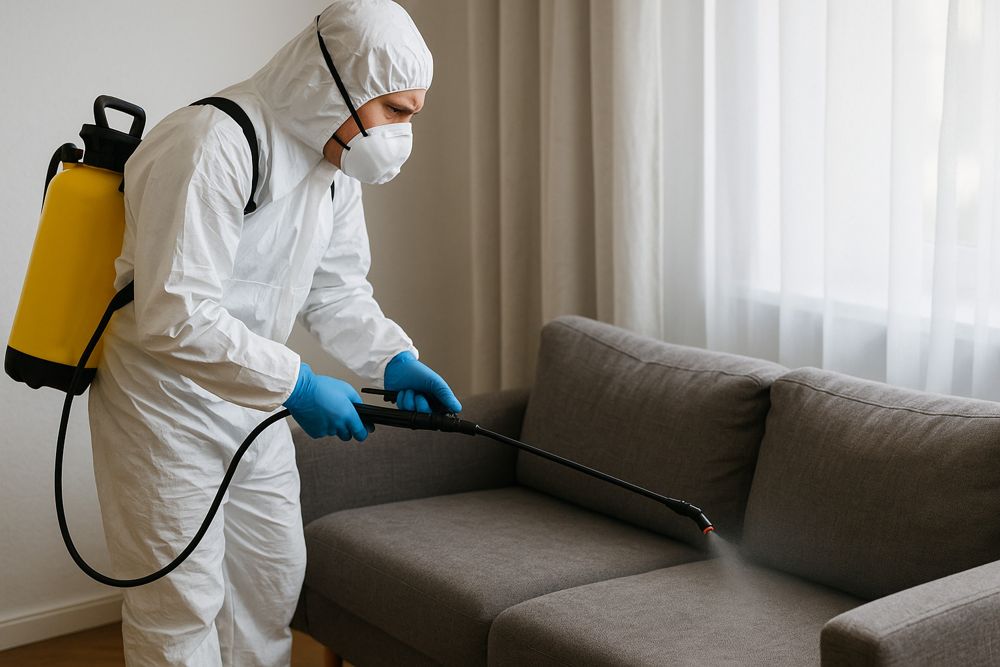
This is a general walk-through of how a home flea job usually runs, shown beside an illustrative image.
The technician starts by working out where the animal spends its time. Flea activity is concentrated around bedding, favourite sofas, rugs and the edges of rooms, so that is where the inspection begins. Questions about when the bites started and whether any pet treatment has been given help to build a picture of how established things are. Rooms are usually treated one at a time, with attention to the gaps beside skirting and under furniture.
Treatment is applied to carpets, skirting edges, upholstery and any other area the pet uses, with rooms left clear of people and animals while it is done. Afterwards the household is told how long to stay out of treated rooms, when to vacuum, and why some fleas may still appear for a while as pupae hatch. Householders often ask whether to keep the heating on, and we advise on that during the visit.
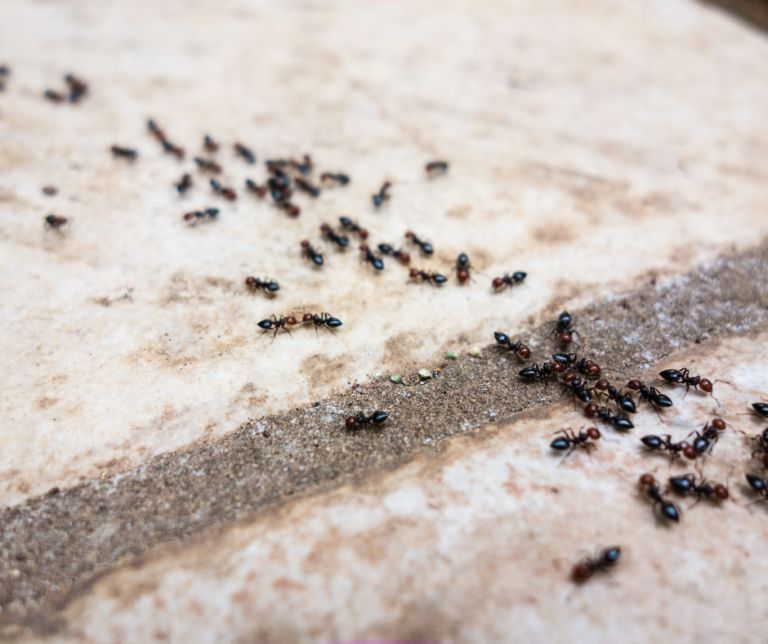
A general walk-through of how a household ant job tends to go, shown beside an illustrative image.
The visit begins with the trail. The technician watches which way the ants are travelling, checks the kitchen and any adjoining walls, and looks outside for disturbed soil, paving joints or damp corners where a nest might sit. Species matters, so a few ants may be examined closely before any treatment is chosen. Where a lawn or border is involved, that area gets the same attention as the kitchen.
Treatment is then aimed at the colony rather than only the visible workers. That might mean applying a product along the trail and entry points, or treating the suspected nest outside. The householder is asked to keep sweet foods sealed and to avoid wiping away treated areas, and is told what changes to expect over the following days. Most householders see numbers fall over several days rather than all at once.
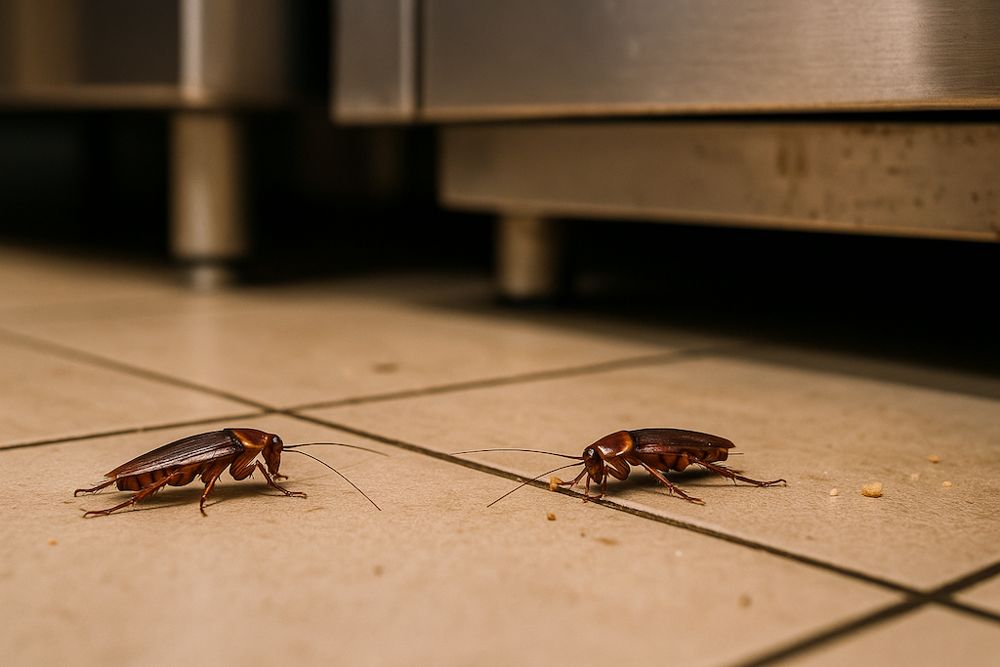
A general walk-through of how a kitchen cockroach job often goes, shown beside an illustrative image.
The technician usually arrives with a torch and goes straight to the warm, hidden spots. Cooker backs, fridge motors, sink units and boiler cupboards are checked for live insects, droppings and egg cases, and monitoring traps are put down where they will show which routes the insects use. The aim is to identify the species and see where they are sheltering. Where a shared wall or service duct is involved, neighbouring units may also need to be looked at.
Treatment is then applied to the harbourage areas, with bait placed in small amounts where cockroaches will find it. The occupier is shown how to store food, deal with waste and keep surfaces dry overnight. A return visit is normally suggested to check the monitors and see whether anything has hatched since. Householders are asked to keep worktops clear and to avoid wiping away bait points.
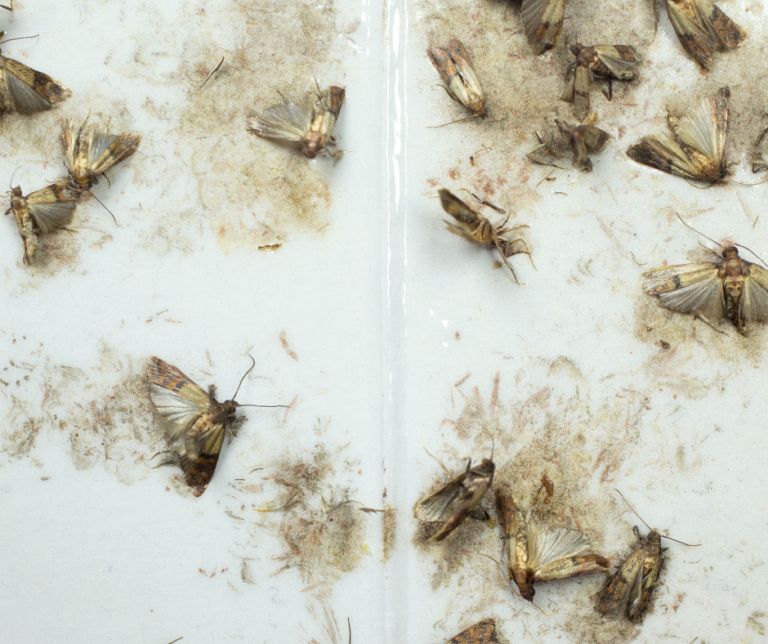
A general walk-through of how a household clothes moth job usually runs, shown beside an illustrative image.
The technician looks first at the places the household suspects, such as a wardrobe with damaged knitwear, then widens the search to rugs, carpet edges, under-bed storage and the backs of furniture. Larvae, cast skins and silky tubes show where activity is concentrated, and sticky pheromone monitors may be used to check how many adults are present. Items that cannot go through a wash, such as rugs or taxidermy, are discussed separately.
Treatment is applied to carpets, edges and the inside of storage furniture. The householder is advised to launder or freeze vulnerable clothing, vacuum regularly under furniture and keep woollens in sealed containers. A follow-up check is often suggested, since eggs and larvae can be missed in the first pass. Clearing out old, unworn woollens is often the simplest way to remove the food source.
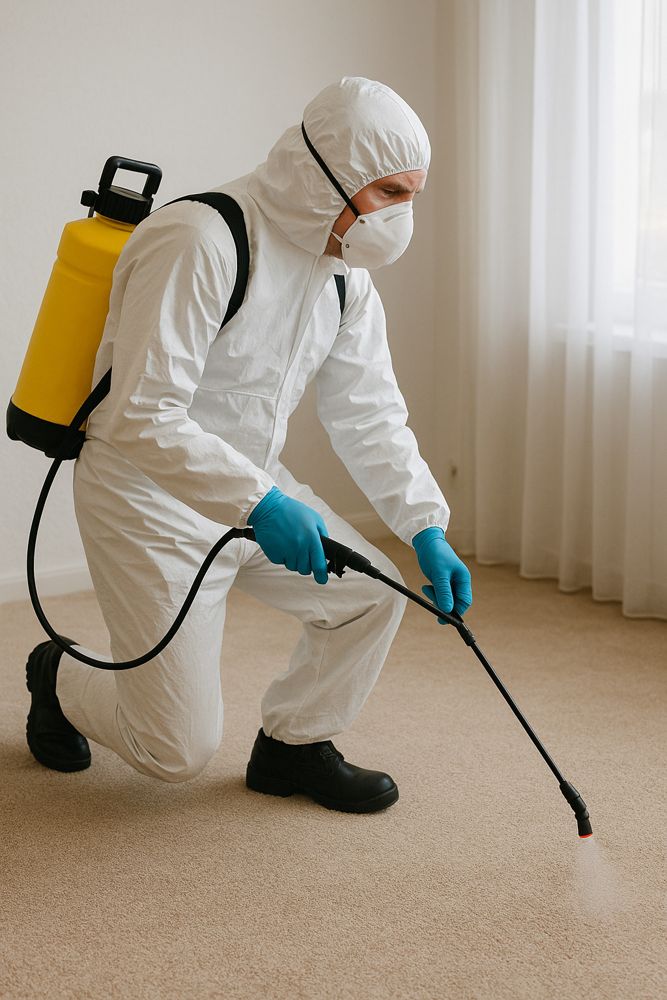
A general walk-through of how a household carpet beetle treatment tends to go, shown beside an illustrative image.
The technician begins by examining where the household has seen beetles, then follows the clues to likely food sources. Carpet edges, the undersides of rugs, wardrobes and any lofts or voids are checked for larvae, cast skins and signs of feeding. Finding a source that is not in the main living area is common, so the search tends to move around the building. Bedding, rugs and wardrobe contents are the usual places for householders to start washing and checking.
Treatment is applied to the active areas, usually carpets along the edges, upholstery and storage spaces. The householder gets advice on laundering bedding and clothes, vacuuming regularly and clearing dead insects or old nests from voids. A second visit may be proposed to check the treated areas. Where activity has spread, the treatment plan takes in several rooms rather than a single patch.

Most visits follow the same pattern, starting with the damp and finishing with a clear plan for the room.
The technician begins by looking at where the insects are gathering, then works back to what is feeding them. That might mean checking a kitchen cupboard against an external wall, a box room with no heating, or a cellar used for storage. A moisture meter and a close look at skirting, sills and corners usually show where the damp is coming from. Each step is explained as it goes, so the household understands why the damp matters as much as the insects.
Treatment is applied to the affected surfaces and the gaps around them, and the household is told what to clear out and what is worth keeping. We explain what to do about ventilation and drying, and arrange a return check if the area was heavily affected or is slow to dry. A short written note of the findings is left behind, so any repair work can be sent to the right tradesperson without guesswork.
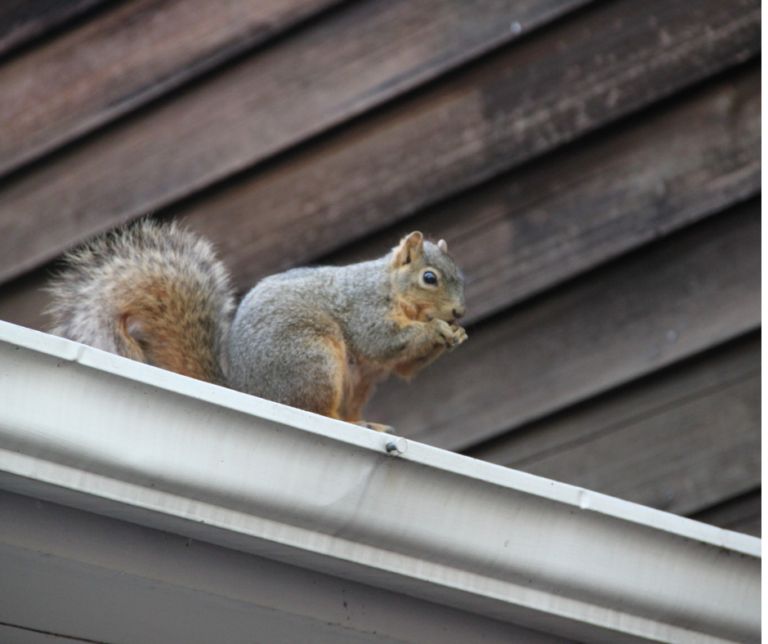
A straightforward squirrel call runs from survey to proofing, with the roof checked at each stage.
The technician begins outside, looking at the roofline, gutters, fascias and nearby branches for a route up and any gnawed edges. Inside, the loft is checked for a drey, droppings and damaged insulation or cables. Taking time over this stage matters, because a single missed gap means the problem returns. The aim is a loft that is clean, closed and checked, with nothing left to attract a second animal.
Once the squirrels have been removed by a lawful and humane method, the loft is cleared of nesting material and the entry points are closed with durable proofing. The householder is told what was found, what to have checked by other trades, and whether a return visit is sensible. Where timber or fascias have been gnawed, we point out what should be repaired so the same entry cannot be reopened later.

A typical visit starts with reading the ground, because where the molehills sit tells us how the tunnels run.
The technician walks the lawn or field and looks for fresh hills, surface ridges and the main runs that the animal uses repeatedly. Older, flattened mounds are less useful than new ones. Soil texture, drainage and nearby planting all affect how the tunnels are laid out, so the approach is set to suit that ground rather than applied by habit. Because every site is different, the visit is often short but the checks over the following days carry most of the work.
Humane, lawful control devices are placed in the active runs and checked at regular intervals. When activity stops, they are taken up and the customer is advised on raking out the mounds, reseeding bare patches and watching for new signs. A return visit is arranged if fresh hills appear. Customers are given simple guidance on what to look for afterwards, so a new animal arriving from neighbouring land is spotted quickly.
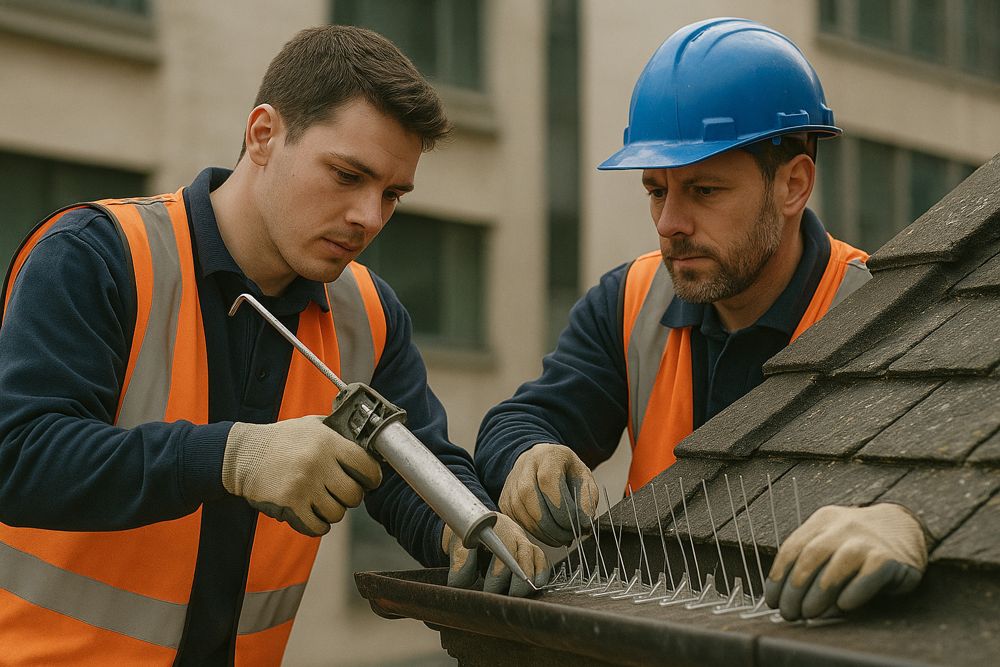
A typical job begins with watching how the birds use the building, then fitting the system that fits that pattern.
The technician looks at where the birds land, where they sleep and where they nest, and which parts of the building are within reach. Ledges above doorways, loading bays, canopies and roof edges are common roosts. Access, whether by ladders, towers or a platform, is agreed before the job, so that work at height is carried out safely. Cleaning is kept tidy and the area is left safe for staff, customers or residents below.
Existing nests and droppings are cleared where it is lawful to do so, and the chosen proofing is fitted: netting across recesses, spikes along ledges, wire where a lighter system suits. The finished work is checked for gaps, because pigeons will use any small opening that remains. A short explanation of what was fitted and where is given afterwards, so the owner knows what to check after strong winds.
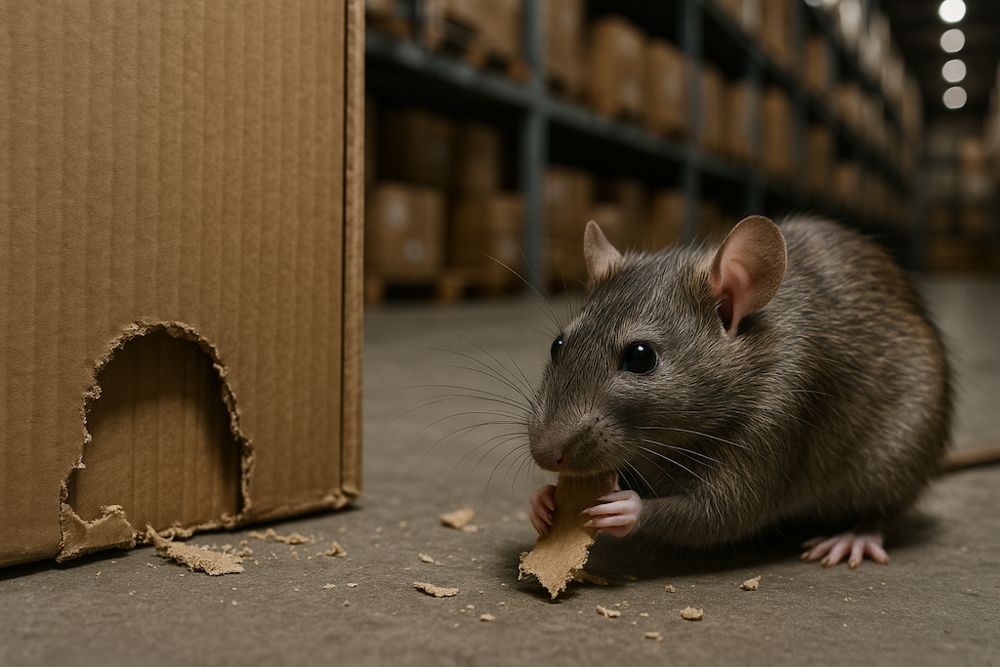
A typical business visit combines a thorough survey, a treatment that fits the site and a written record.
The technician walks the premises with the manager, checking food storage, kitchens, bin areas, drains, loading doors and roof spaces. Gaps around pipes, worn door seals and stacked stock against walls are common weak points. Findings are discussed on the spot, so that quick fixes can start straight away. The site contact is shown exactly where monitoring points sit, so staff know not to move them.
Treatment and monitoring are then set up to suit trading hours and the type of premises. A report is left with the business, covering what was seen and done, and any structural or housekeeping changes that would reduce the risk. If a contract is agreed, regular visits follow, each recorded in the same way. Everything is written in plain language, so the report is as useful to an owner as it is to an auditor.
Tell us what you have seen and where, and we will come back to you. There are no call-out charges and surveys are free for homes and businesses.